Athens is one of the world’s great cities for ancient history. Its ruins tell the story of gods and heroes, of the birth of democracy and of the art and ideas that shaped Western culture. These are the essential sites.
The Acropolis
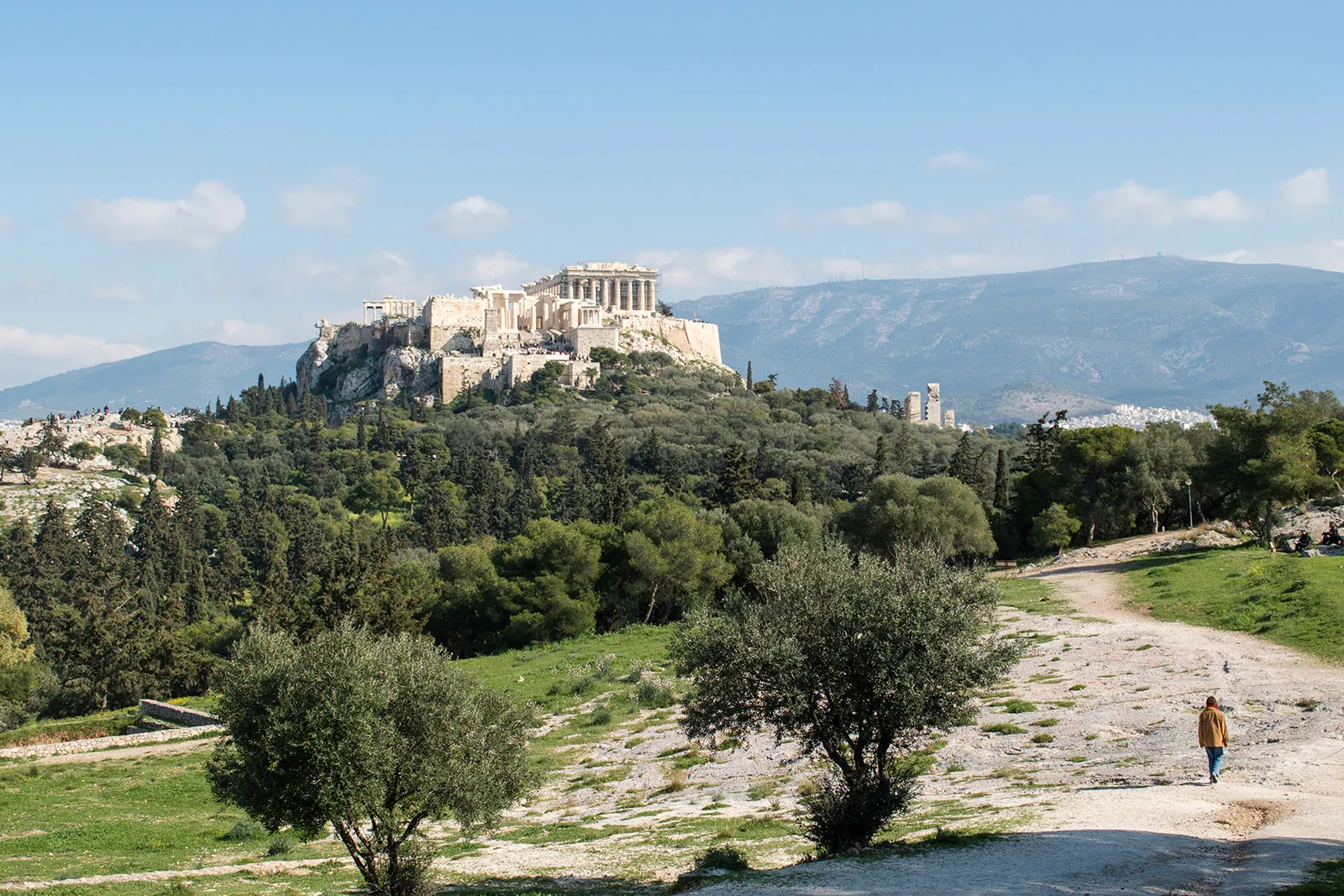
High on its rock above the city, the Acropolis is the best-known showcase of ancient Greek architecture. The Parthenon, dedicated to Athena, the city’s patron goddess, dominates the hill. You enter through the Propylaea, the monumental gateway, and the Erechtheion, with its porch of Caryatids, stands nearby.
The Ancient Agora
A short walk from the Acropolis, the Ancient Agora was the commercial, political and social centre of ancient Athens. Philosophers debated here and citizens took part in democracy. The Temple of Hephaestus, one of the best-preserved ancient temples, overlooks the site.
The Theatre of Dionysus
On the southern slope of the Acropolis, the Theatre of Dionysus is often called the birthplace of Greek drama. Plays by Sophocles, Euripides and Aristophanes were performed here.
Kerameikos
Kerameikos, the ancient cemetery of Athens, is a quiet, green place to end a day of sightseeing. The Sacred Way to Eleusis, the route of the Eleusinian Mysteries, ran through it.
The Temple of Olympian Zeus
The surviving columns of the Temple of Olympian Zeus stand near the National Garden and are an easy addition to a walk around the centre.
After the ruins, the sea
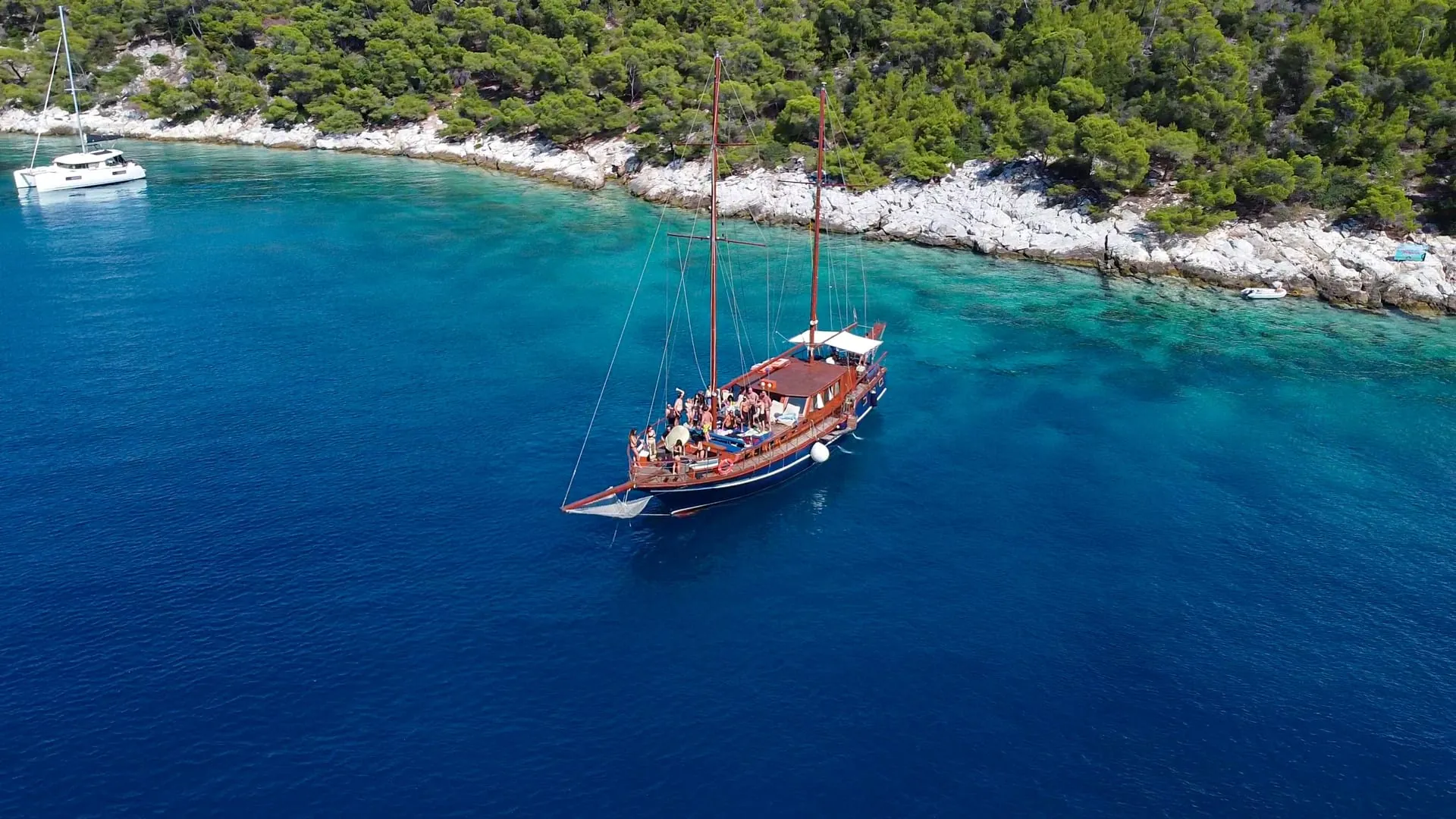
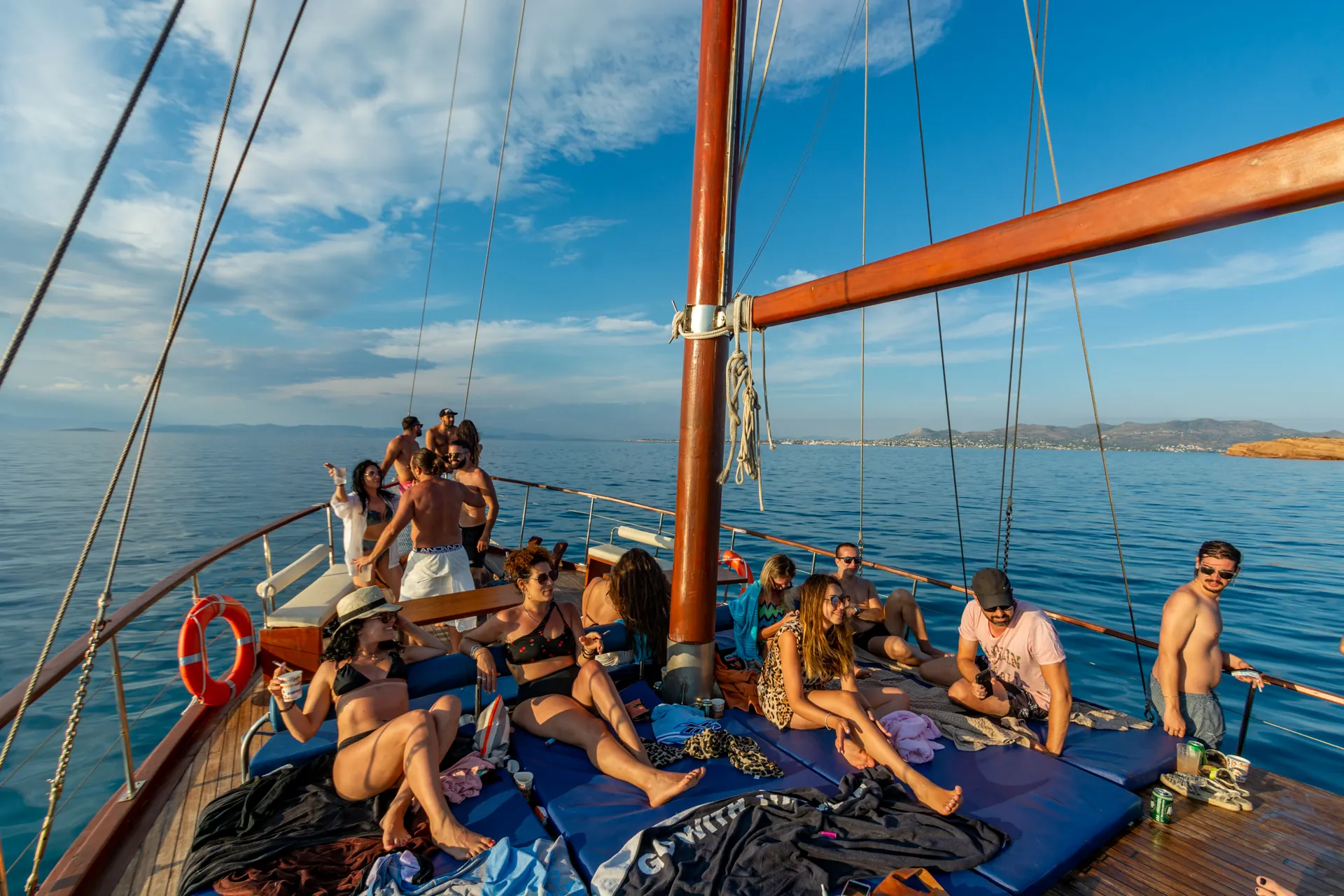
After a day among the ruins, spend the next one at sea. Our day cruise leaves Marina Zeas in Piraeus at 09:00 for free time on Agistri and Aegina, a swim stop and a Greek lunch on board, and returns around 19:00. On Aegina, Kolona and the Temple of Aphaia are within reach if you plan your own visit.