Greek festivals are one of the best ways to see the country’s culture up close. Religious feasts, village celebrations and seasonal customs bring people together for food, music and dancing. Here is what to know.
A long history
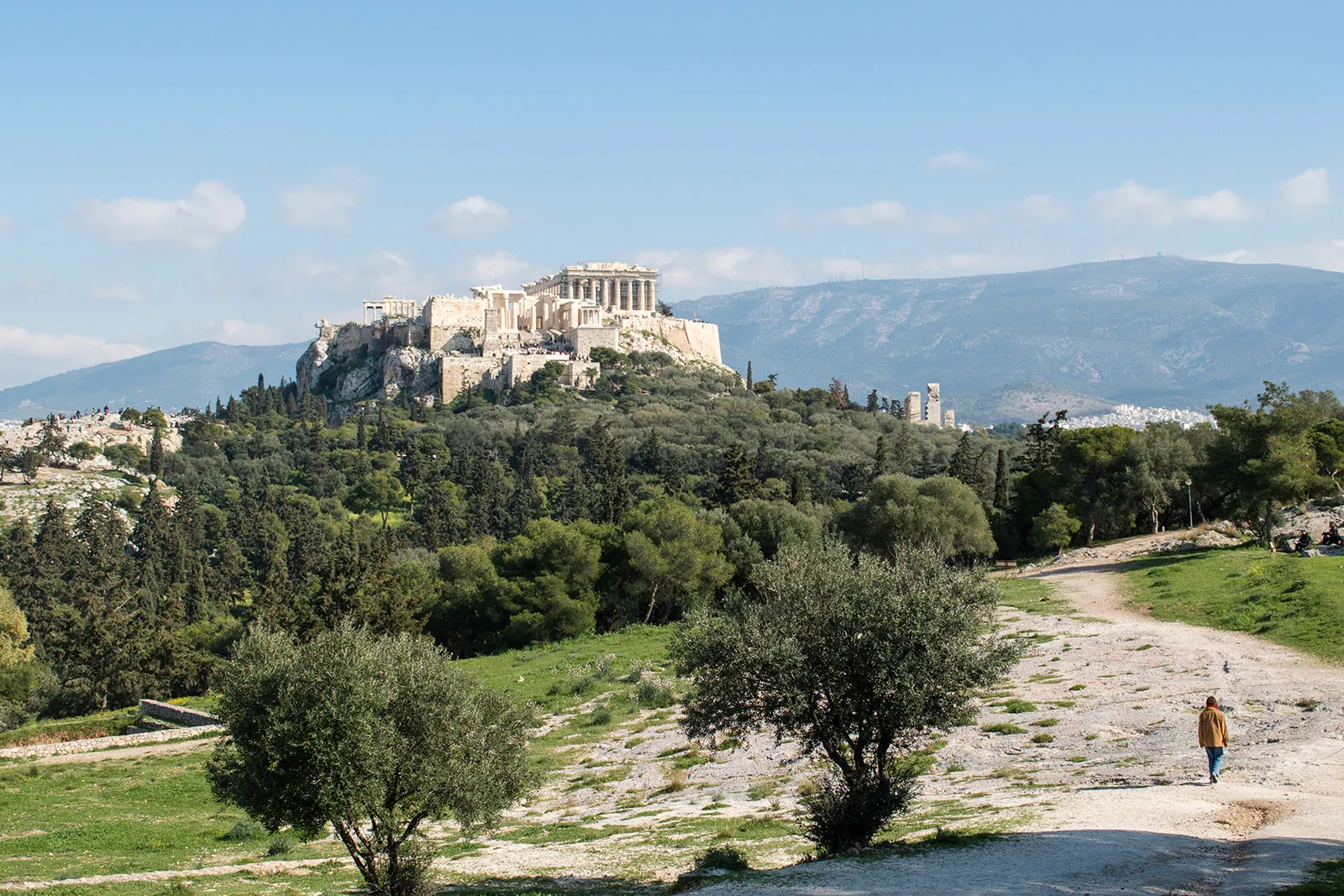
Greek festivals have roots that go back thousands of years. In ancient Athens, the Panathenaic Festival honoured Athena, the city’s patron goddess, with athletic contests, music and processions. Many later festivals were reshaped by Christianity, and today’s celebrations blend old customs with modern music and dance.
Festivals of faith
Many Greek festivals, known as panigiria, are rooted in the Orthodox Church. Easter is the most important. Holy Week brings processions, a midnight Resurrection service and family feasts on Easter Sunday, when people crack red-dyed eggs.
On 15 August, the Feast of the Dormition of the Virgin Mary is celebrated with church services, communal meals and music. Pilgrims travel to sites such as the island of Tinos.
Festival food
Expect souvlaki, and at larger gatherings a whole lamb roasting over a fire. Loukoumades, small doughnuts drizzled with honey and cinnamon or sesame, are a festival favourite. Baklava and spanakopita, a spinach and feta pie in filo pastry, are rarely far away.
Music and dance
Music and dance are at the heart of every celebration. Folk dances such as the Kalamatianos are danced in a circle, hand in hand, to bouzouki, lyra and drums. Join in if you are invited: it is often the best moment of the night.
Costumes and parades
Many festivals include parades in traditional dress. Each region has its own style, from richly embroidered costumes in the north to simpler island designs.
Local traditions
In Vrontados on Chios, the Rouketopolemos, or rocket war, takes place at Easter. Two rival church congregations fire homemade rockets towards each other’s churches. In summer, Kalamata in the Peloponnese hosts an international dance festival.
Winter celebrations
On 6 January, Epiphany (Theofania or Fota) includes the Blessing of the Waters. In coastal towns, swimmers dive into the sea to retrieve a cross thrown by a priest. Carnival, or Apokries, brings costumes, parades and parties in February or early March. At Christmas and New Year, children sing the kalanda and families bake melomakarona and kourabiedes.
Tips for visitors
- Time your visit around a major festival, such as Easter or 15 August.
- Arrive early for processions and performances.
- Wear comfortable shoes: there is a lot of walking and standing.
- Try the local dishes, and be ready to join the dancing.
Add a day at sea
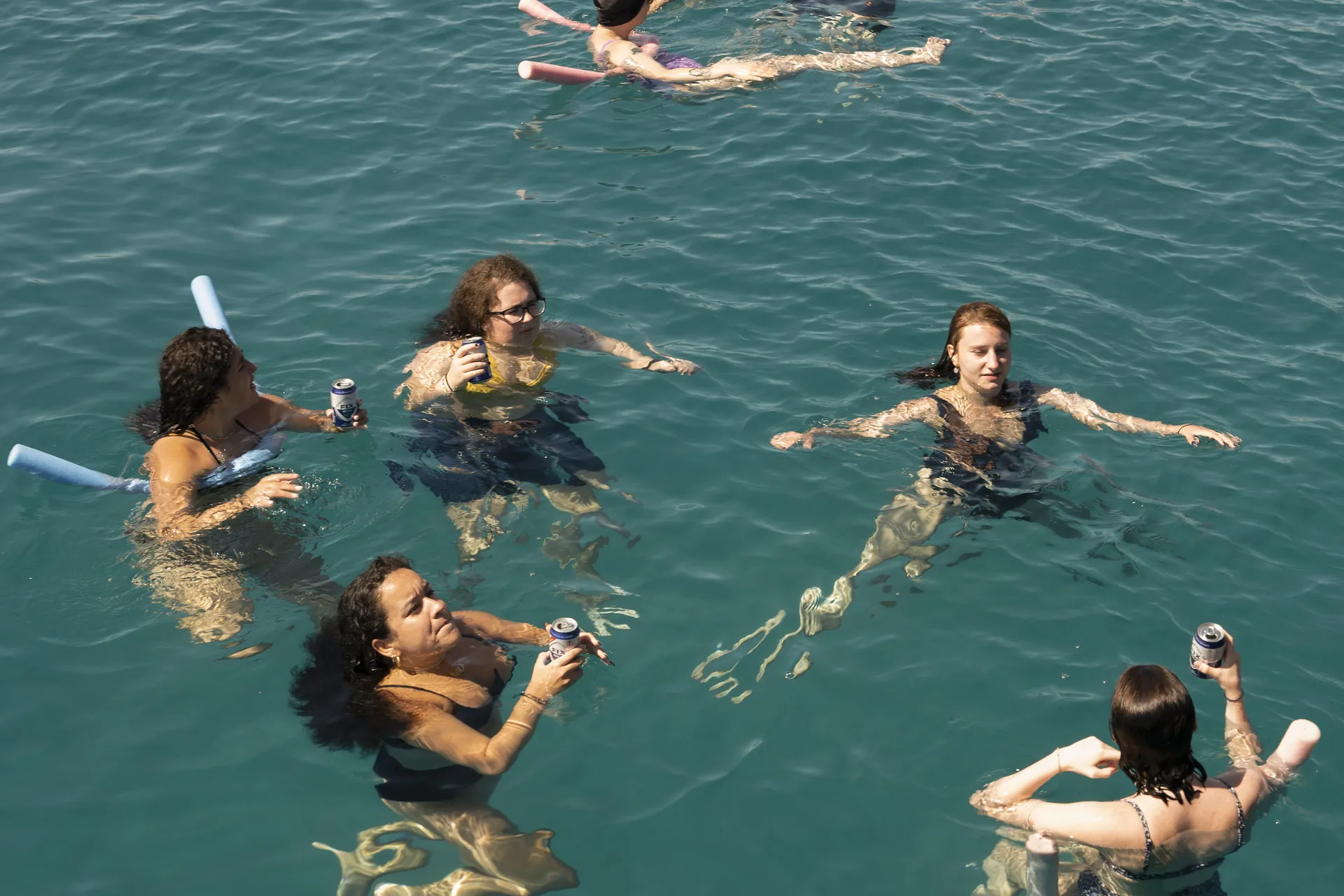
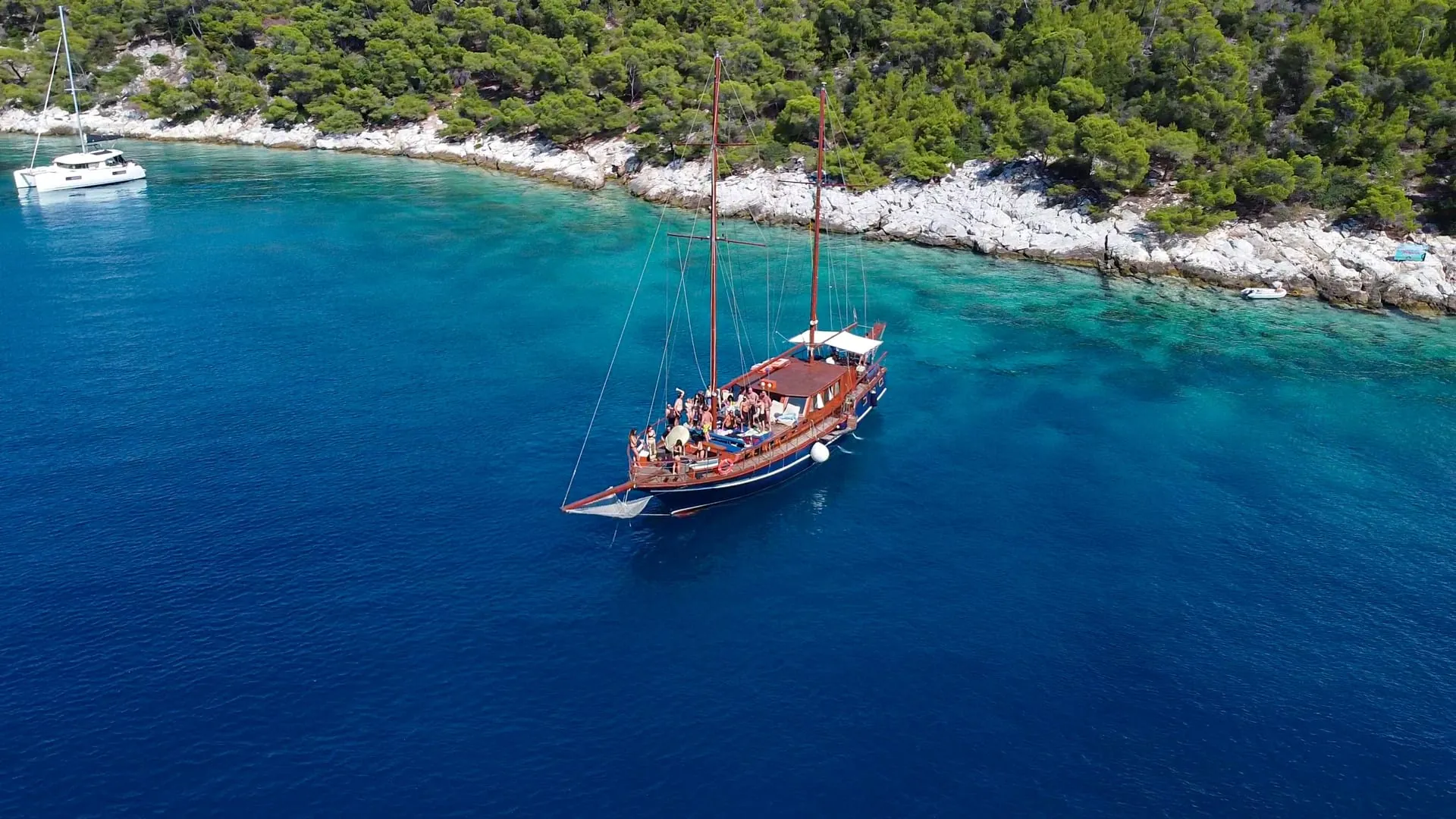
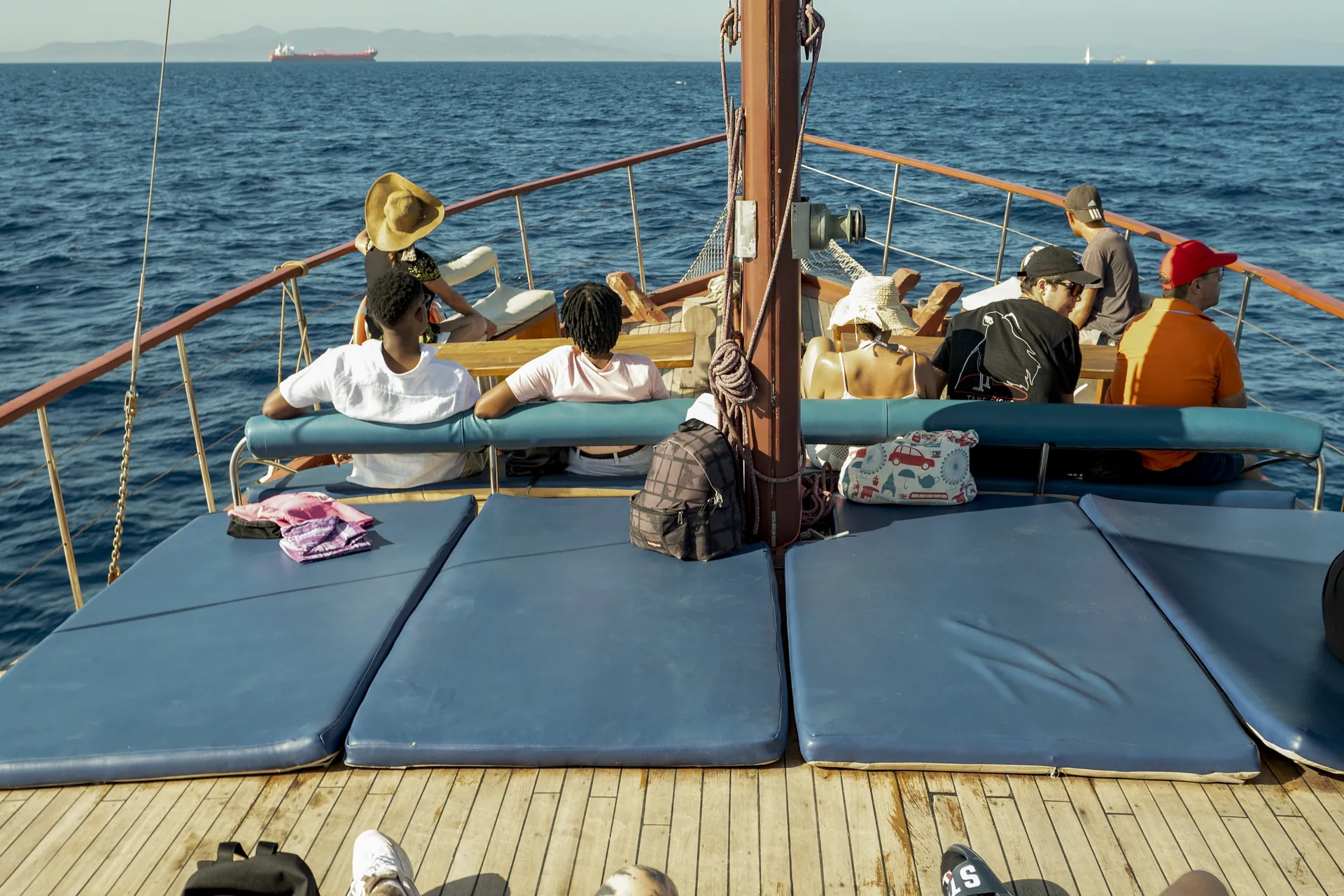
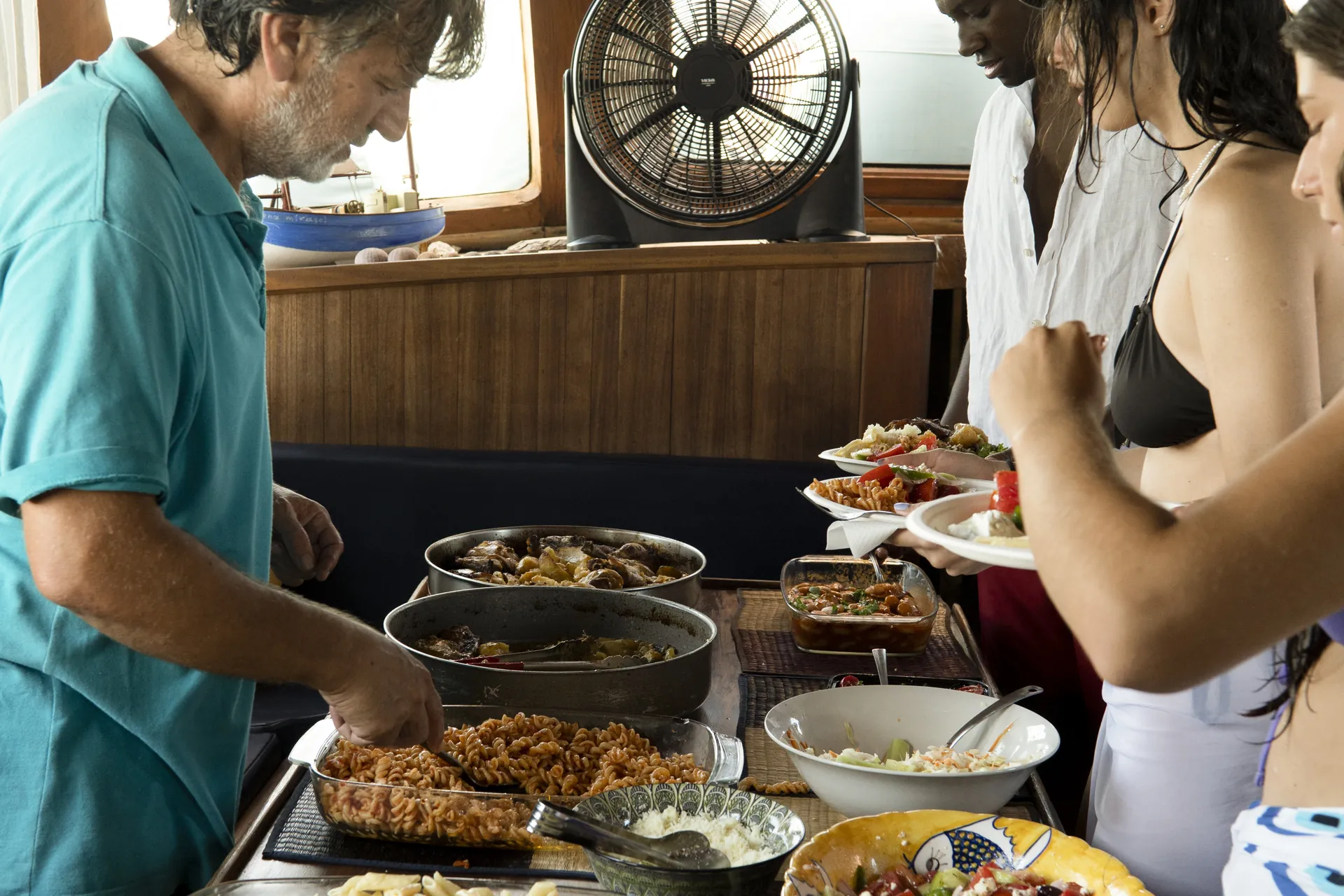
If your visit falls between April and October, add a day on the Saronic Gulf. Our cruise runs daily in that season, leaving Marina Zeas in Piraeus at 09:00 for free time on Agistri and Aegina, a swim stop and a Greek lunch on board.